Obesity Epidemic

People living with obesity need proactive care1

Chronic Disease

Obesity is a chronic, relapsing disease driven by multiple factors2,3

Beyond Willpower

How the body resists weight reduction beyond an individual’s control4

Complications

Obesity is connected to many other serious diseases5

Treatment

Obesity requires individualized treatment and long-term support6

People living with obesity need proactive care1

Obesity
is a global
epidemic7

2X

Adult obesity has more than doubled in the last 3 decades8

2X

~890 million adults are living with obesity8

2X

∼5 million premature deaths in 2019 as a result of higher than optimal BMI contributing to noncommunicable diseases8

Obesity is associated with
over 200 complications3,5

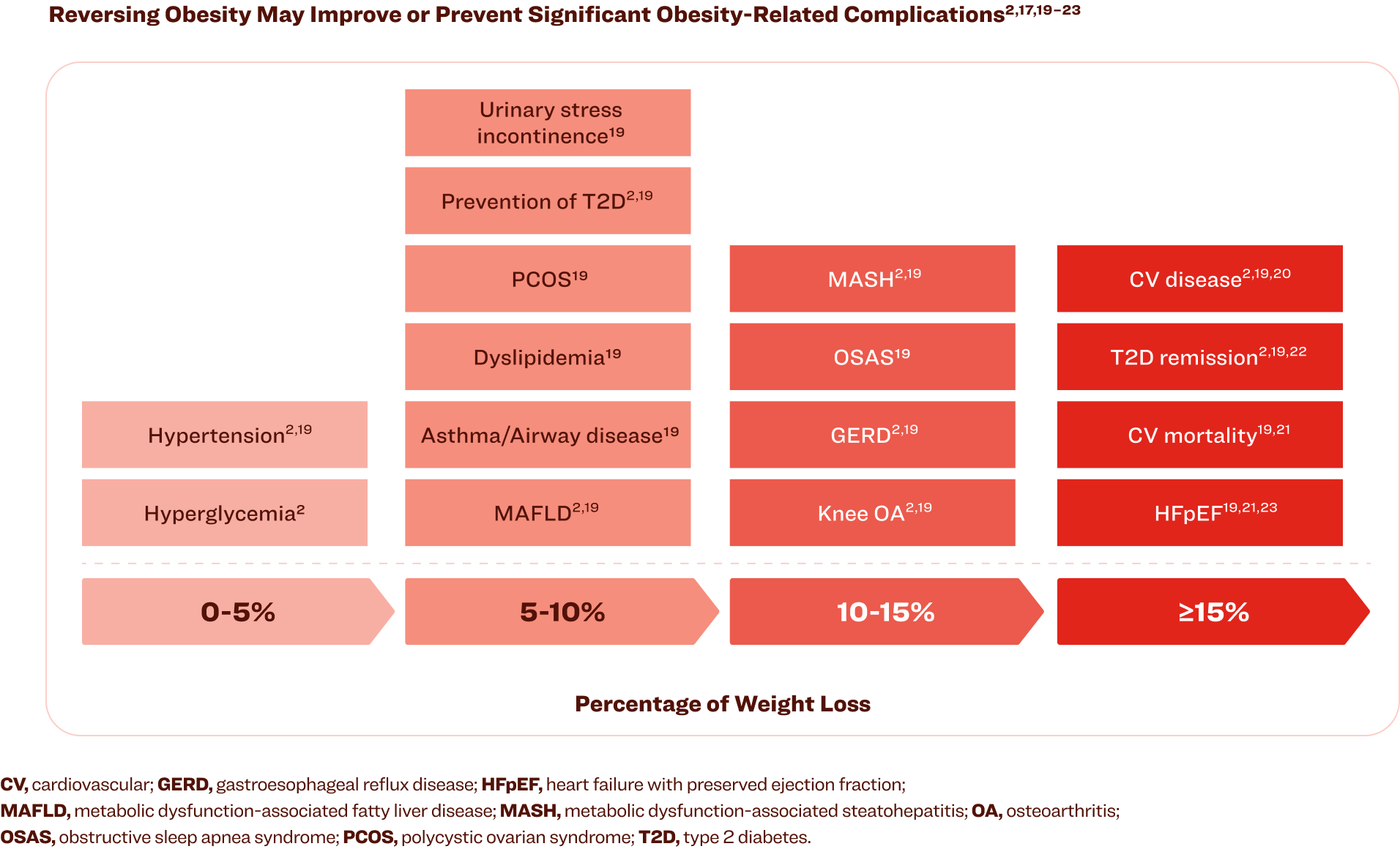
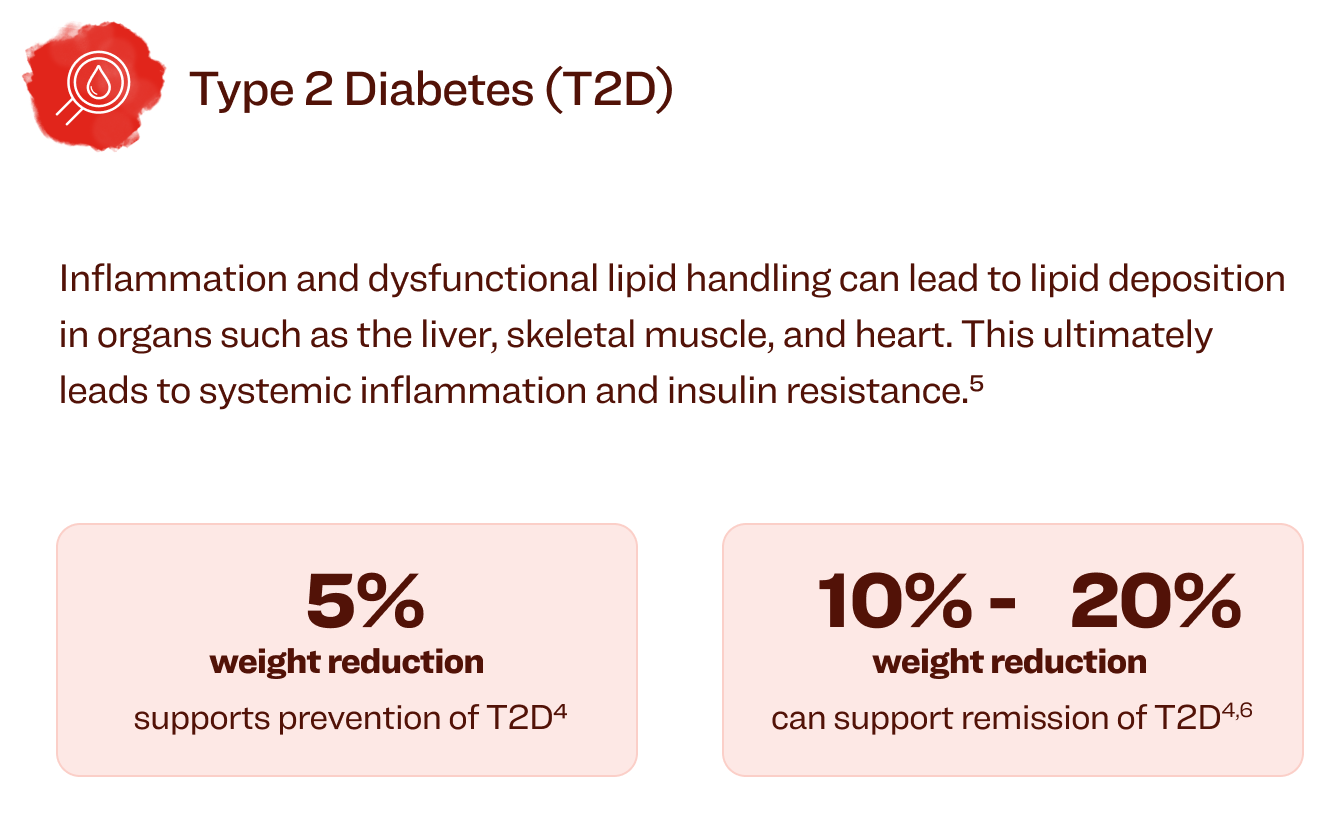
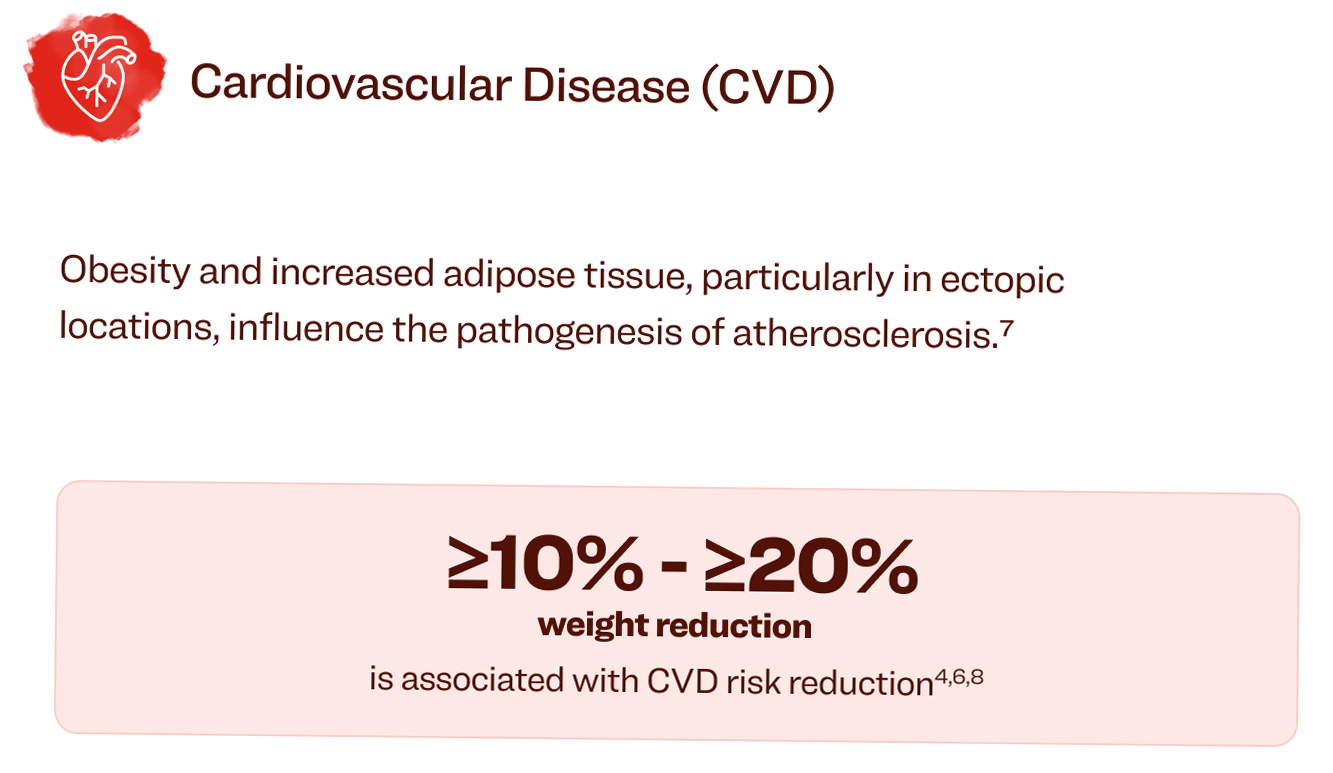
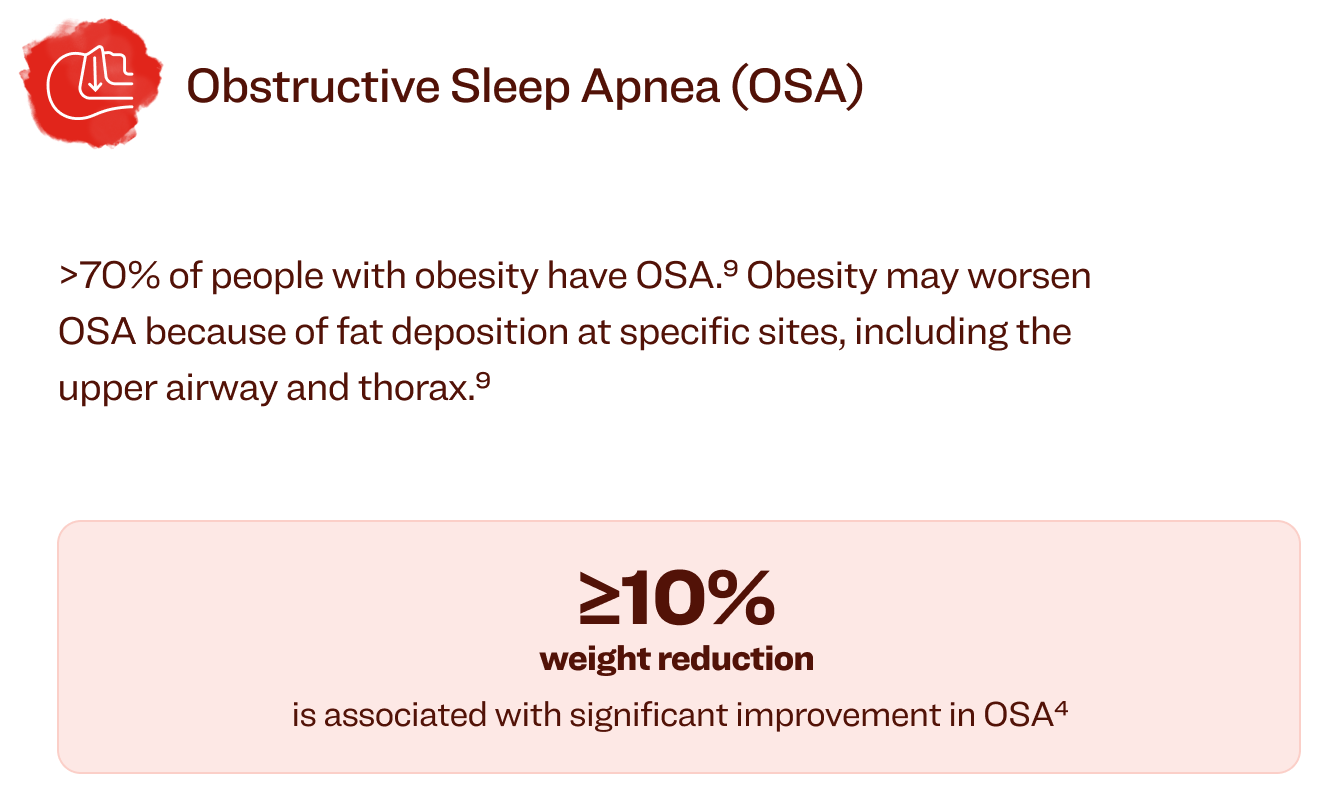
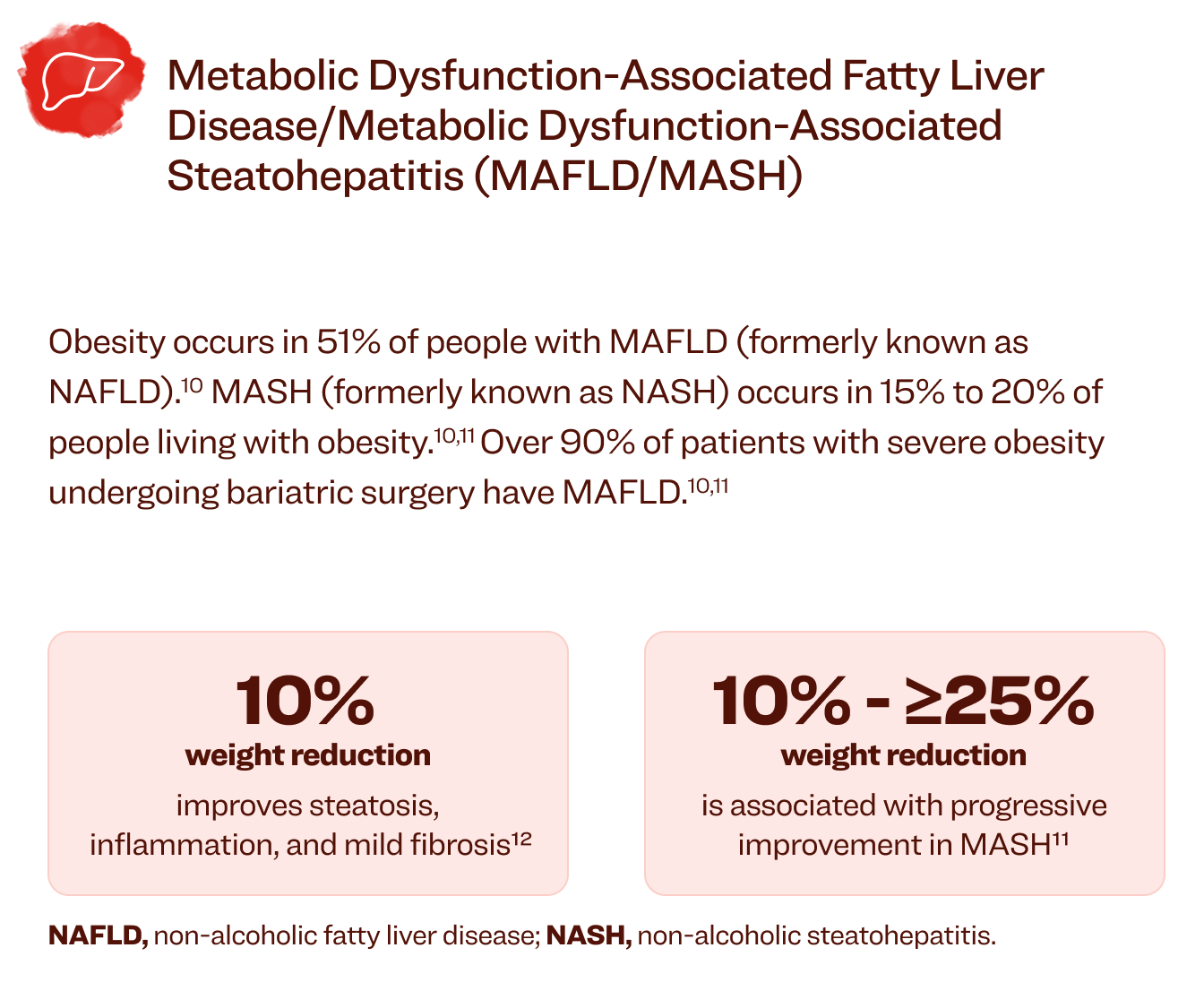
As obesity rates increase, so do the risks of obesity-related complications.9 These include type 2 diabetes, hypertension, coronary artery disease, and several cancers.9 However, weight loss of ≥5% to ≥25% improves many obesity-related complications.3,9,10

Alert Icon

We can do more than we think to improve health

Continuous effort is needed to control obesity because it is a relapsing disease

Continuous effort is needed to control obesity because it is a relapsing disease7

  • Evidence shows that up to 70% of a person’s body weight is influenced by their biology and the other 30% or so is dependent on the environment11-14
  • Weight loss resulting from lifestyle interventions activates a number of hormonal changes that favor weight regain15,16
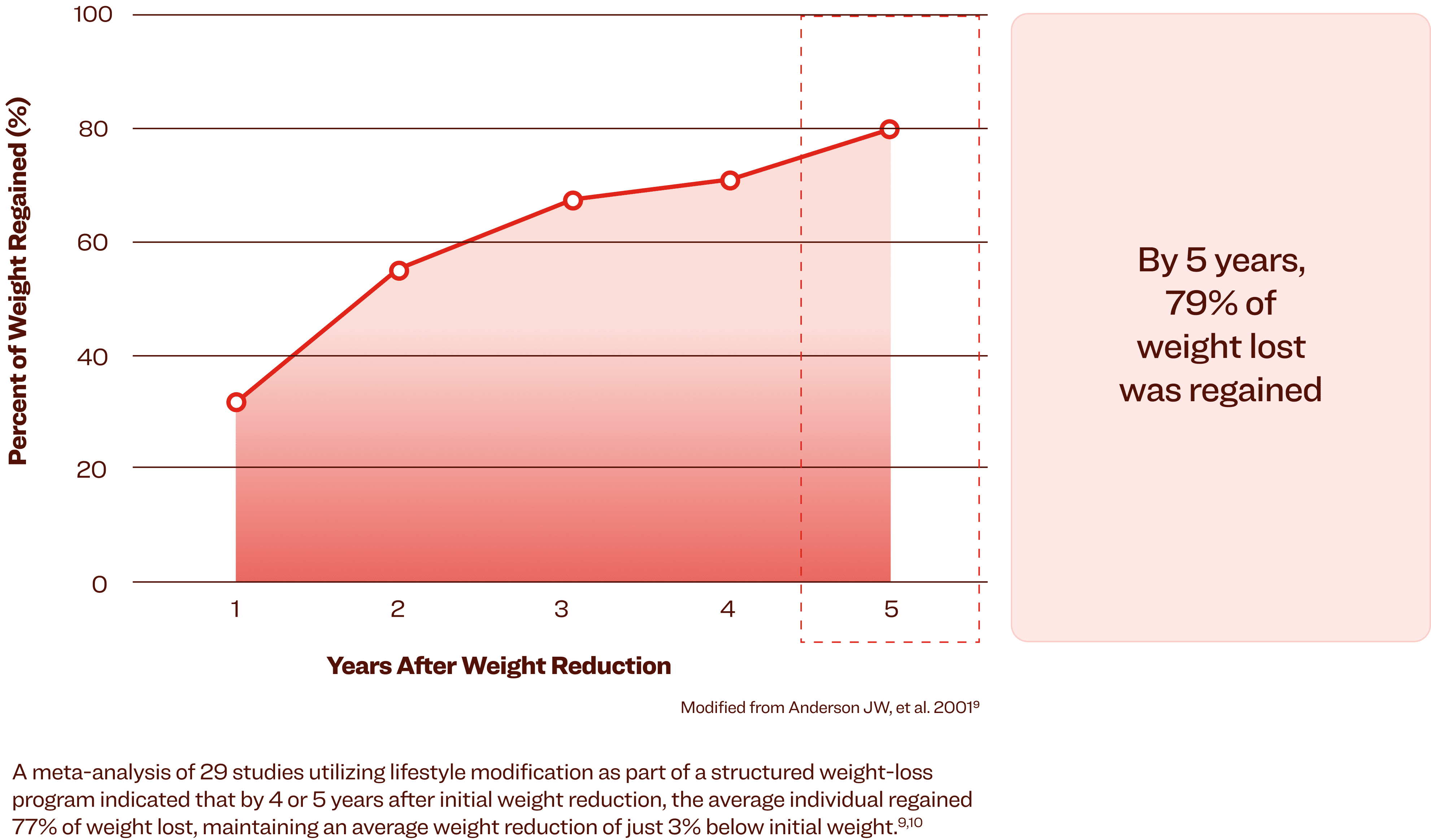
  • Following weight loss, up to 79% of weight is regained by 5 years after initial weight reduction17
  • Successfully treating obesity requires a comprehensive plan that accounts for patients’ individual goals of weight2

BMI, body mass index.

References

  1. Fitch AK, Bays HE. Obes Pillars. 2022;1:100004.
  2. Burki T. Lancet Diabetes Endocrinol. 2021;9(7):418.
  3. Horn DB, et al. Postgrad Med. 2022;134(4):359-75.
  4. Timper K, Brüning JC. Dis Model Mech. 2017;10(6):679-89.
  5. Michałowska J, et al. Nutrients. 2021;13(2):351.
  6. Wharton S, et al. CMAJ. 2020;192(31):E875-E91.
  7. Bray GA, et al. Obes Rev. 2017;18(7):715-23.
  8. World Health Organization. 2024 [cited 2024 24 May].
  9. Cefalu WT, et al. Diabetes Care. 2015;38(8):1567-82.
  10. Garvey WT. J Clin Endocrinol Metab. 2022;107(4):e1339-e47.
  11. Stunkard AJ, et al. N Engl J Med. 1990;322(21):1483-7.
  12. Wardle J, et al. Am J Clin Nutr. 2008;87(2):398-404.
  13. Loos RJF, Yeo GSH. Nat Rev Gen. 2022;23(2):120-33.
  14. Allison DB, et al. Int J Obes Relat Metab Disord. 1996;20(6):501-6.
  15. Hall KD, Kahan S. Med Clin North Am. 2018;102(1):183-97.
  16. Sumithran P, et al. N Engl J Med. 2011;365(17):1597-604.
  17. Anderson JW, et al. Am J Clin Nutr. 2001;74(5):579-84.
Obesity_chronic
Obesity_chronic

Obesity is a chronic, relapsing disease driven by multiple factors, often beyond an individual's control1,2

The multifactorial nature of obesity leads to individual variations, requiring a patient-centered, individual approach to management and treatment.3
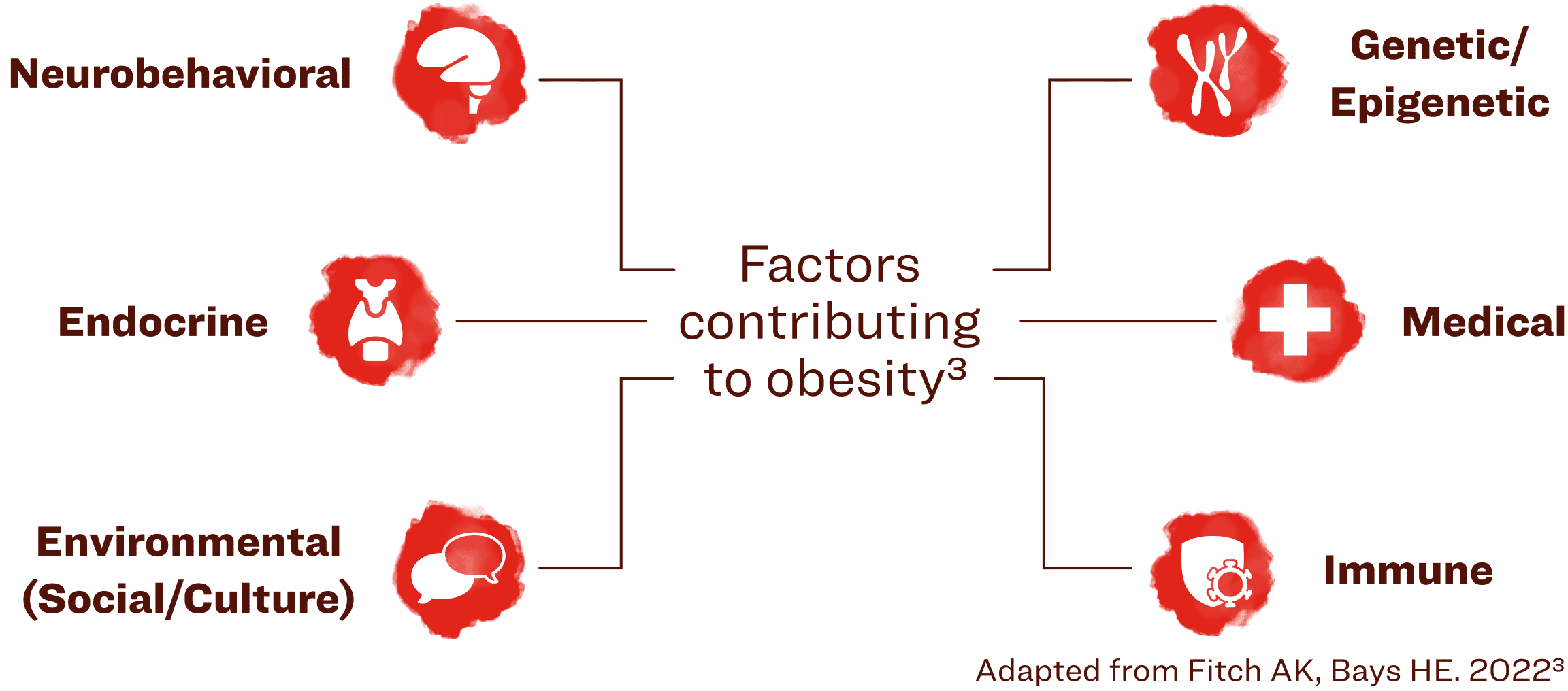
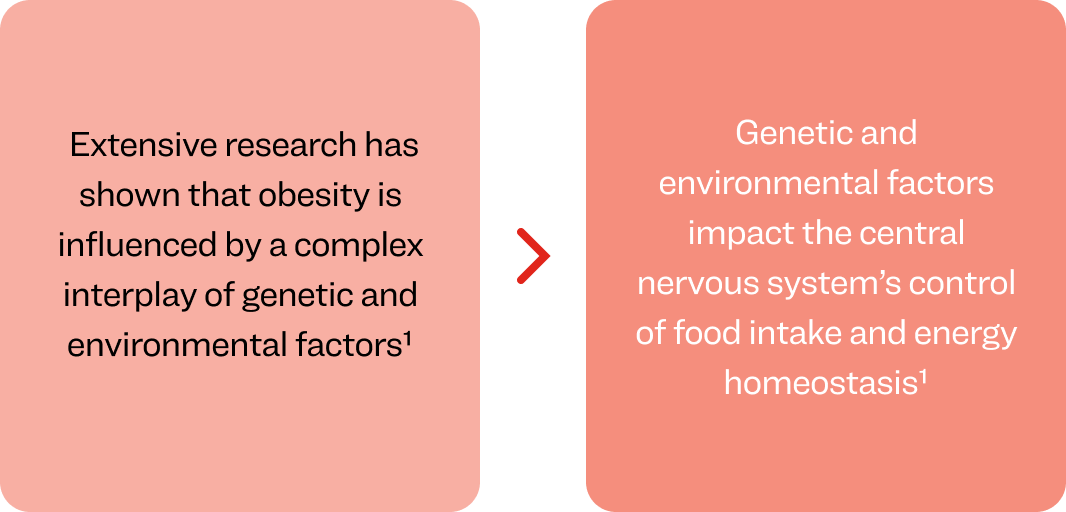
Obesity is a multifactorial disease4

Table_Obesity

Obesity is a highly prevalent chronic disease characterized by excessive fat accumulation or distribution that presents a risk to health and requires life-long care. Virtually every system in the body is affected by obesity. Major chronic diseases associated with obesity include diabetes, heart disease, and cancer.4

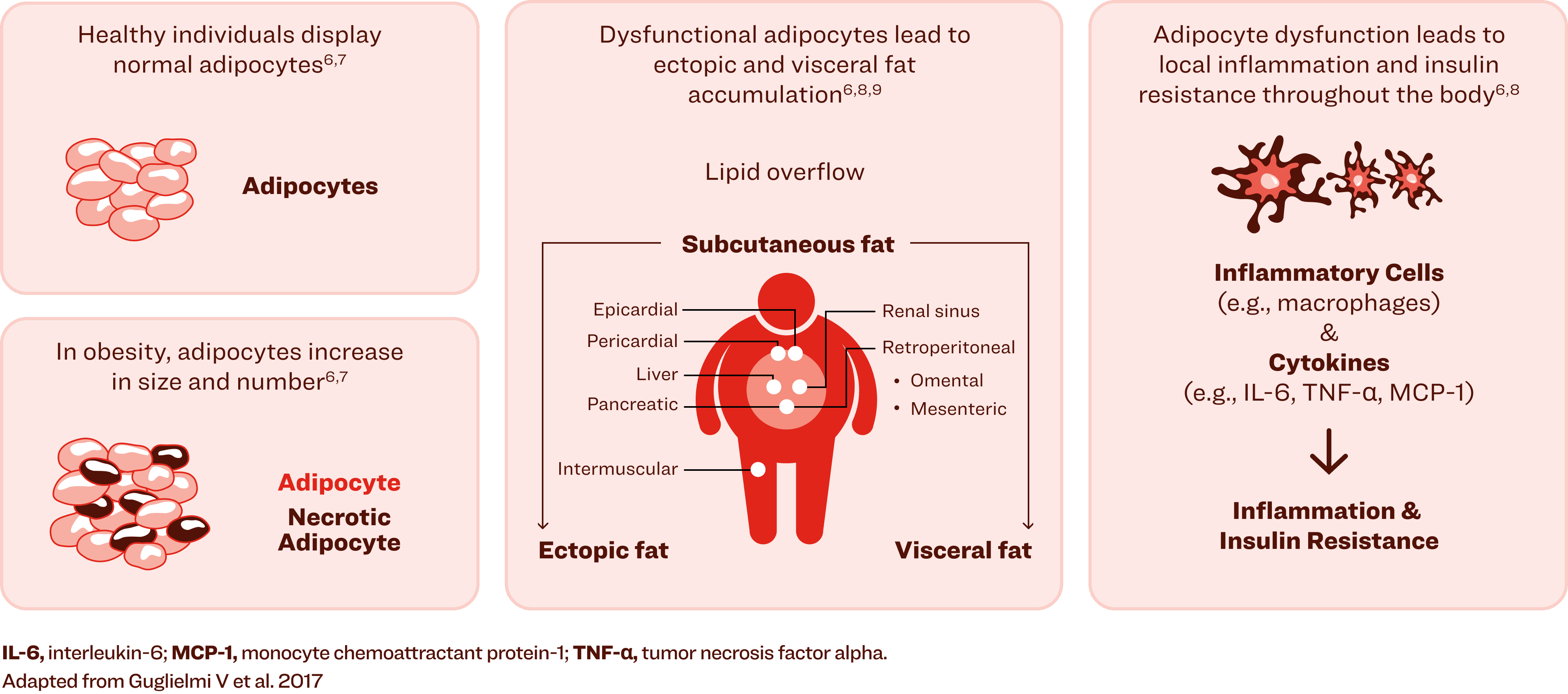
Obesity is a disease of excess adiposity5

Adipose tissue has long been misunderstood as just a storage organ for energy. However, with the rise of obesity, adipose tissue is now being recognized as an essential organ in regulating energy homeostasis.6

FPO
FPO

The benefit of weight reduction is progressive – greater weight loss may be associated with greater long-term benefit.18

References

  1. Burki T. Lancet Diabetes Endocrinol. 2021;9(7):418.
  2. Horn DB, et al. Postgrad Med. 2022;134(4):359-75.
  3. Fitch AK, Bays HE. Obes Pillars. 2022;1:100004.
  4. American Society for Metabolic and Bariatric Surgery. 2022 [cited 25 March 2024].
  5. Bays HE, et al. Obes Pillars. 2022;3:100034.
  6. Longo M, et al. Int J Mol Sci. 2019;20(9):2358.
  7. Samms RJ, et al. Trends Endocrinol Metab. 2020;31(6):410-21.
  8. Bray GA, et al. Obes Rev. 2017;18(7):715-23.
  9. Guglielmi V, et al. J Diabetes Endocrinol Metab Disord. 2017;1(1):1-6.
  10. Michałowska J, et al. Nutrients. 2021;13(2):351.
  11. Wharton S, et al. CMAJ. 2020;192(31):E875-E91.
  12. Garvey WT. J Clin Endocrinol Metab. 2022;107(4):e1339-e47.
  13. Fruh SM. J Am Assoc Nurse Pract. 2017;29(S1):S3-S14.
  14. Ansari S, et al. Ther Adv Endocrinol Metab. 2020;11:2042018820934955.
  15. Powell-Wiley TM, et al. Circulation. 2021;143(21):e984-e1010.
  16. Lee J, et al. Arthritis Res Ther. 2015;17(1):79.
  17. Cefalu WT, et al. Diabetes Care. 2015;38(8):1567-82.
  18. Bailey-Davis L, et al. Am J Cardiol. 2022;162:66-72.
  19. Garvey WT, et al. Endocr Pract. 2016;22(Suppl 3):1-203.
  20. Look AHEAD Research Group. Lancet Diabetes Endocrinol. 2016;4(11):913-21.
  21. Benraouane F, Litwin SE. Curr Opin Cardiol. 2011;26(6):555-61.
  22. Lean ME, et al. Lancet. 2018;391(10120):541-51.
  23. Sundström J, et al. Circulation. 2017;135(17):1577-85.
How the body resists weight reduction beyond an individual’s control
How the body resists weight reduction

How the body resists weight reduction beyond an individual's control1

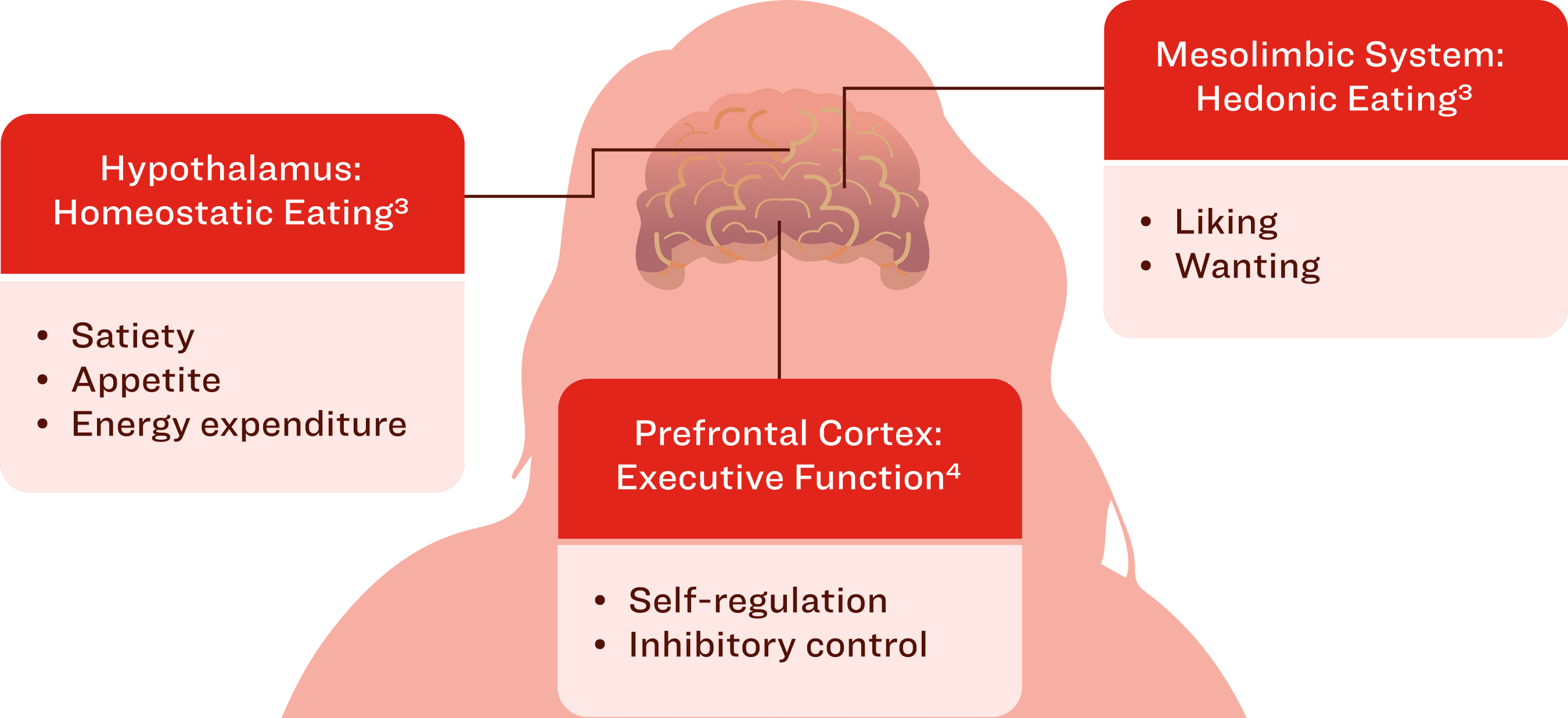
The brain plays a key role in regulating energy balance through its effects on caloric intake and energy expenditure.1
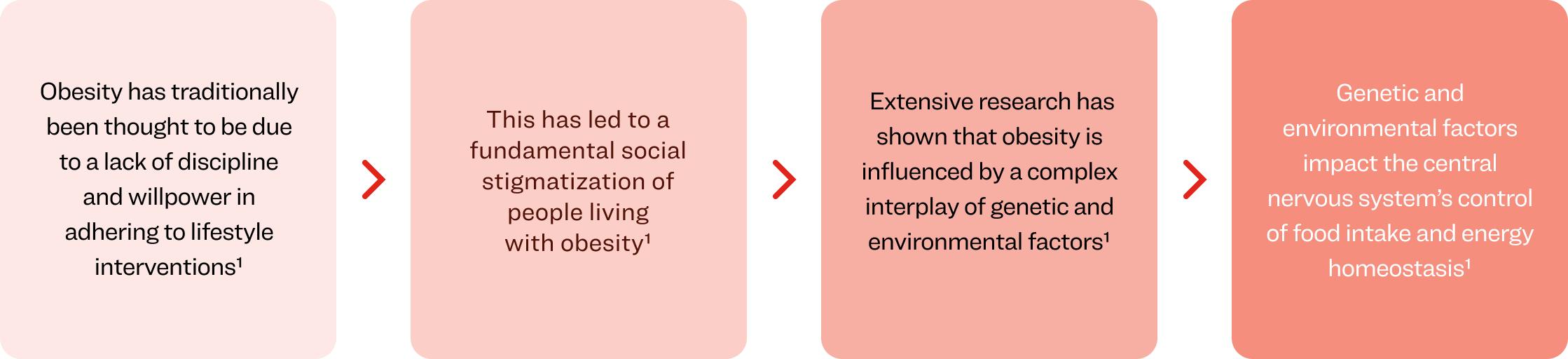
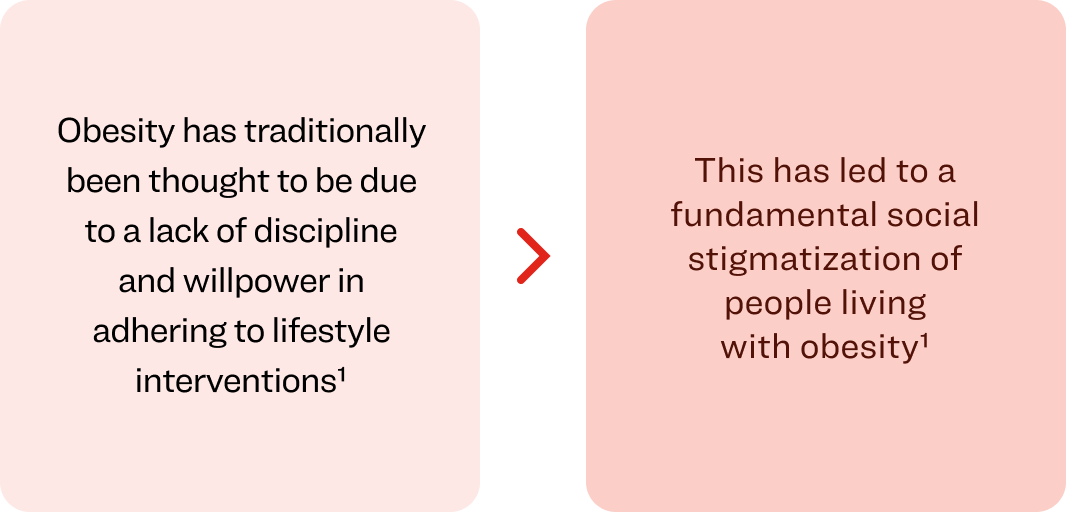
Weight stigma can lead to physiological and behavioral changes linked to increased weight gain2

weight sigma
weight sigma weight sigma
weight sigma weight sigma weight sigma weight sigma

Energy homeostasis is centrally regulated by the brain1,3-5

Table Energy homeostasis

CCK, cholecystokinin; GIP, glucose-dependent insulinotropic polypeptide;
GLP-1, glucagon-like peptide-1; OXM, oxyntomodulin; PYY, peptide YY.
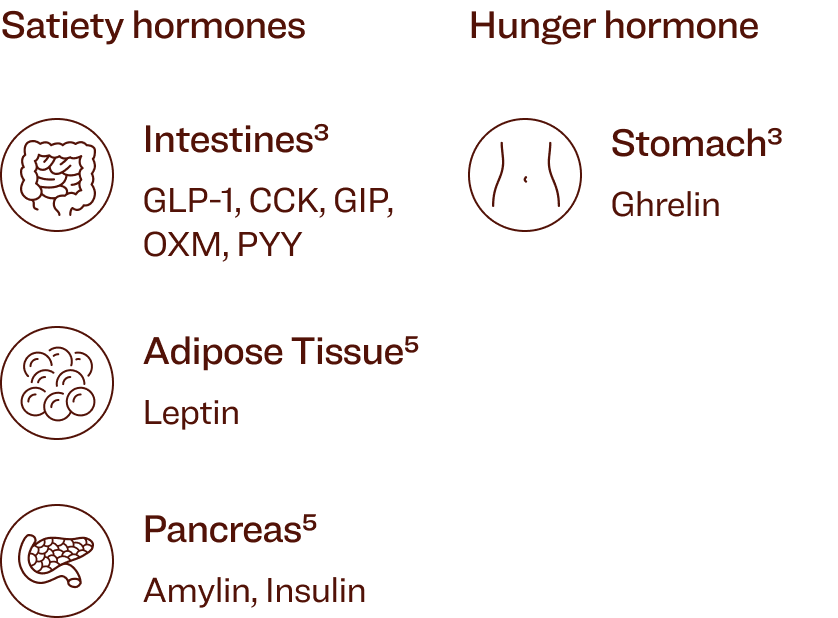
Table Energy homeostasis Right

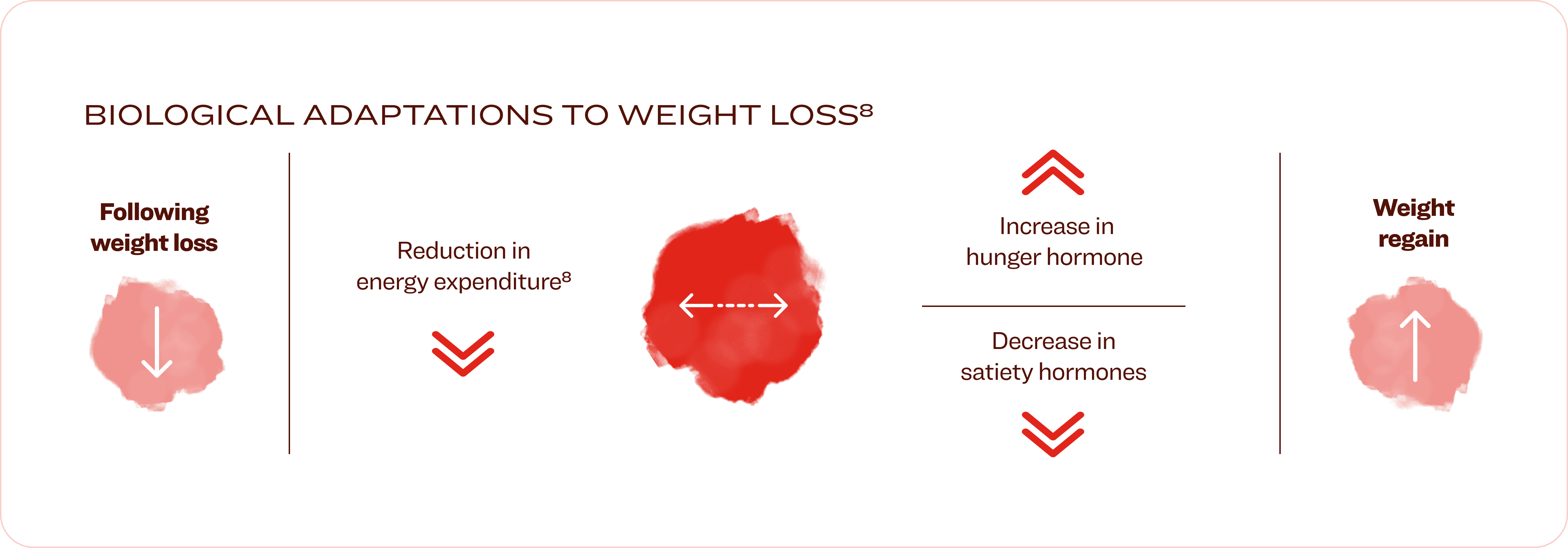
Weight loss can trigger adaptive changes in hunger and satiety hormones that can persist for at least 1 year6,7

Many of the hormones, peptides, and nutrients involved in the homeostatic regulation of body weight are perturbed after weight loss, and many of these alterations persist for 12 months after weight loss.7


These alterations also persist after weight regain, highlighting a strong physiological basis for the relapsing nature of obesity, and not simply the result of voluntary resumptions of old habits.7

FPO
Biological Adaptations Biological Adaptations
Following weight loss, up to

Following weight loss, up to
79% of weight
           is regained over time9

Check Icon

It is time to end
the obesity stigma2

There is a widespread assumption that diet and exercise can entirely reverse obesity over long periods of time.
This belief contradicts the indisputable scientific evidence demonstrating that voluntary efforts to reduce body weight activate biologic responses
(e.g., increased appetite and decreased metabolic rate) that typically promote long-term weight regain.11

References
  1. Timper K, Brüning JC. Dis Model Mech. 2017;10(6):679-89.
  2. Tomiyama AJ, et al. BMC Med. 2018;16(1):123.
  3. Roh E, Choi KM. Int J Mol Sci. 2023;24(4):3384.
  4. Wharton S, et al. CMAJ. 2020;192(31):E875-E91.
  5. Theilade S, et al. Diabetes Obes Metab. 2021;23(Suppl 1):17-35.
  6. Hall KD, Kahan S. Med Clin North Am. 2018;102(1):183-97.
  7. Sumithran P, et al. N Engl J Med. 2011;365(17):1597-604.
  8. Melby CL, et al. Nutrients. 2017;9(5):468.
  9. Anderson JW, et al. Am J Clin Nutr. 2001;74(5):579-84.
  10. Tylka TL, et al. J Obes. 2014:983495.
  11. Rubino F, et al. Nat Med. 2020;26(4):485-97.
Obesity is connected to many 
other serious diseases
Obesity complications

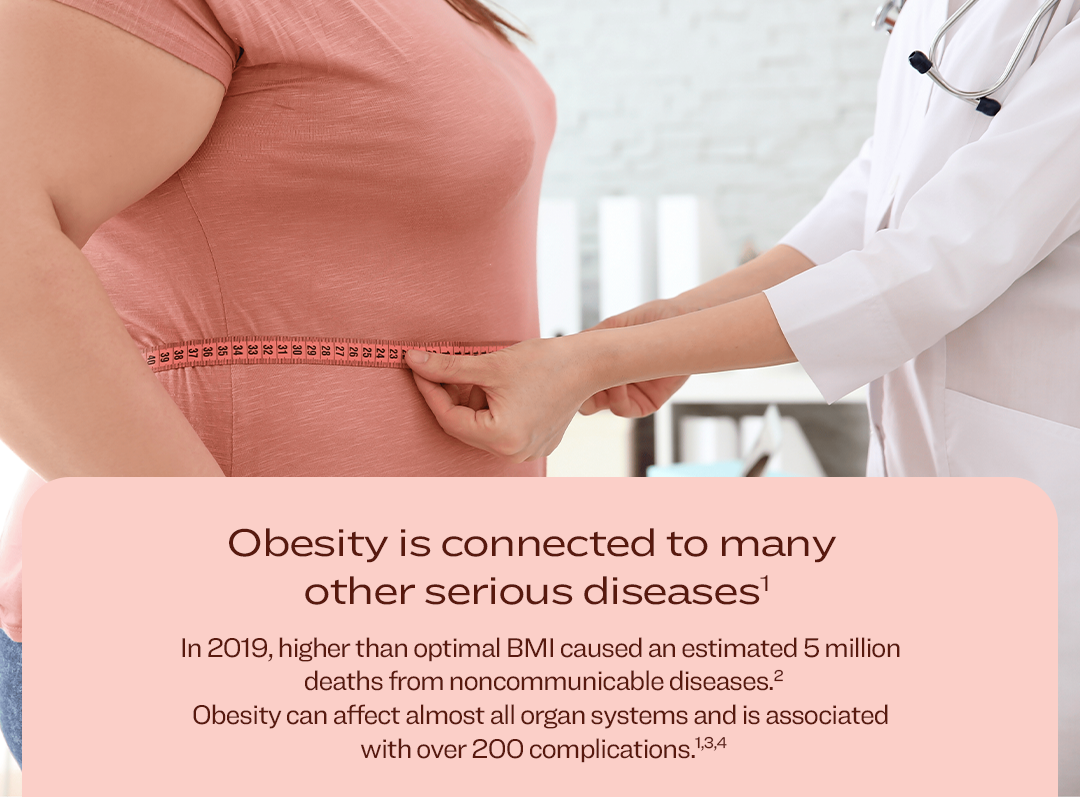
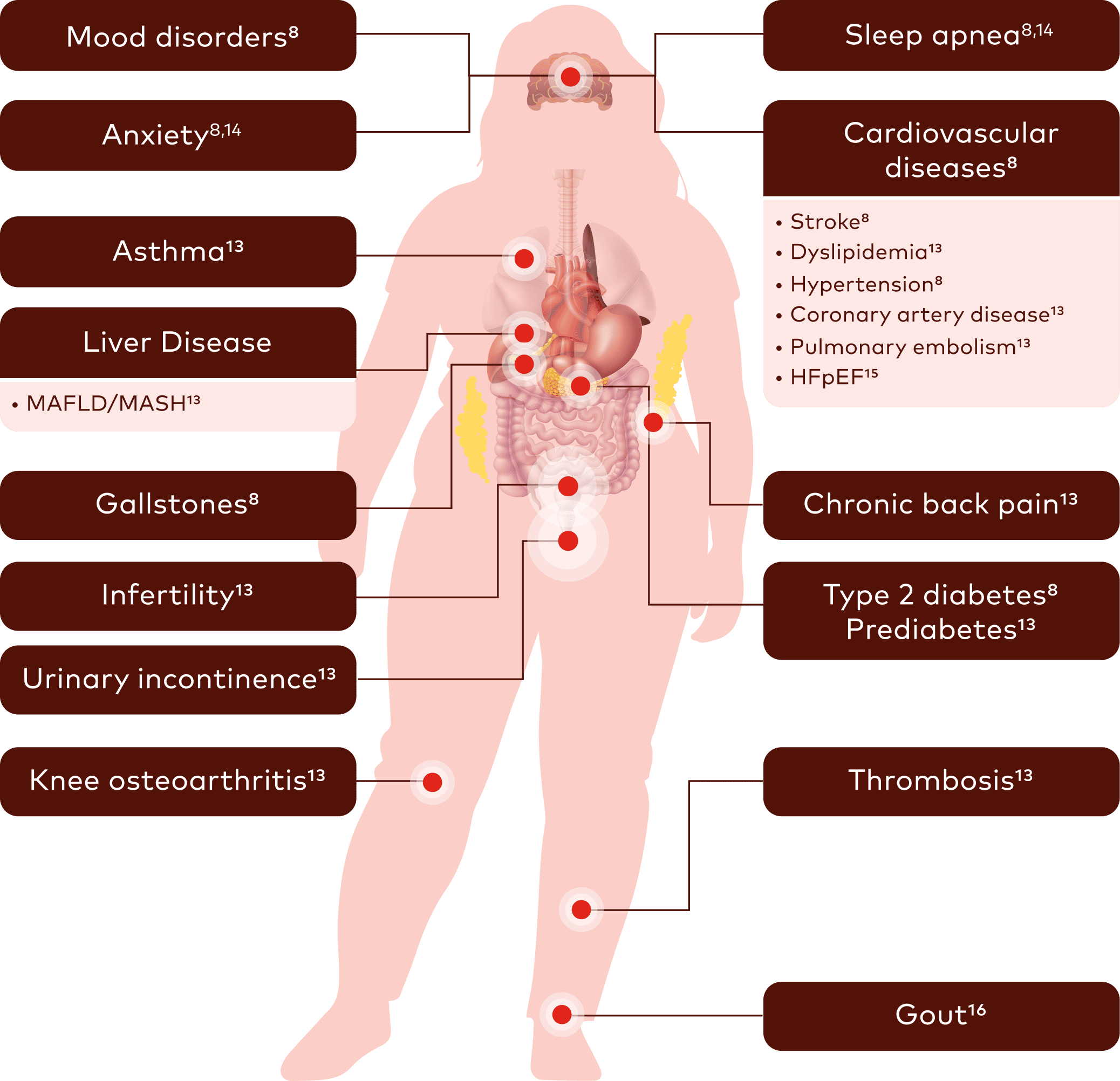
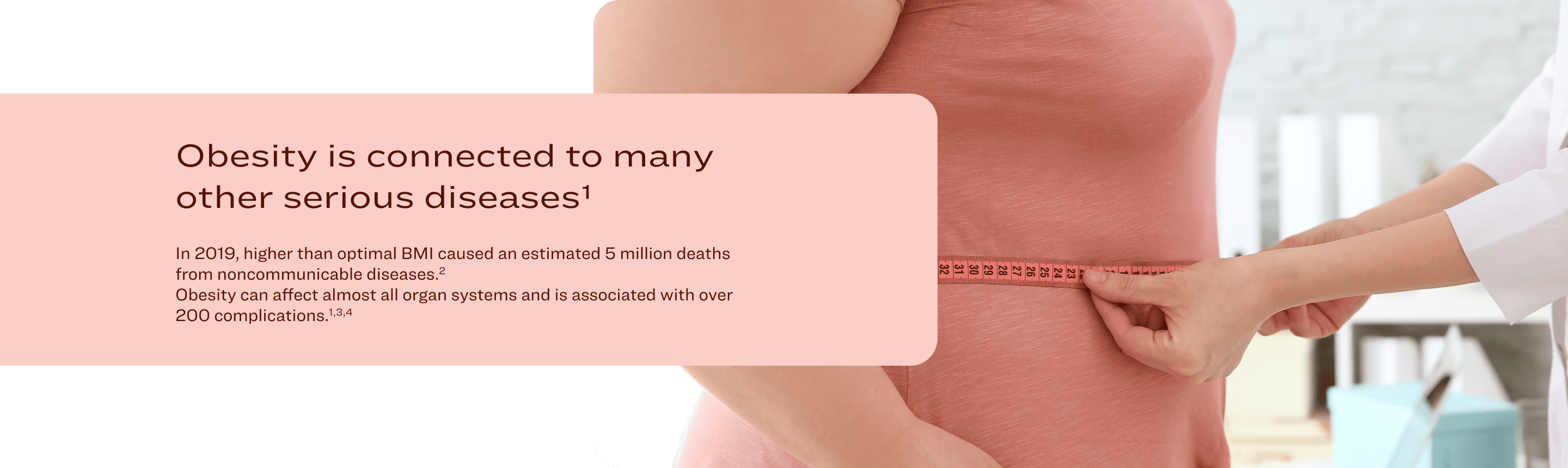
Obesity is connected to many other serious diseases1

In 2019, higher than optimal BMI caused an estimated 5 million deaths from noncommunicable diseases.2
Obesity can affect almost all organ systems and is associated with over 200 complications.1,3,4

Lifestyle Modifications
Pharmacotherapy
Bariatric Surgery
Bariatric Surgery
Bariatric Surgery

BMI, body mass index; MAFLD, metabolic dysfunction-associated fatty liver disease; MASH, metabolic dysfunction-associated steatohepatitis.

References

  1. Michałowska J, et al. Nutrients. 2021;13(2):351.
  2. World Health Organization. 2024 [cited 24 May 2024].
  3. Fitch AK, Bays HE. Obes Pillars. 2022;1:100004.
  4. Horn DB, et al. Postgrad Med. 2022;134(4):359-75.
  5. Longo M, et al. Int J Mol Sci. 2019;20(9):2358.
  6. Garvey WT. J Clin Endocrinol Metab. 2022;107(4):e1339-e47.
  7. Ansari S, et al. Ther Adv Endocrinol Metab. 2020;11:2042018820934955.
  8. Look AHEAD Research Group. Lancet Diabetes Endocrinol. 2016;4(11):913-21.
  9. Romero-Corral A, et al. Chest. 2010;137(3):711-9.
  10. Younossi ZM, et al. Hepatology. 2016;64(1):73-84.
  11. Garvey WT, et al. Endocr Pract. 2016;22(Suppl 3):1-203.
  12. Cefalu WT, et al. Diabetes Care. 2015;38(8):1567-82.
Prioritize obesity as

a chronic disease
Prioritize obesity as a chronic disease

Prioritize obesity as a chronic disease11

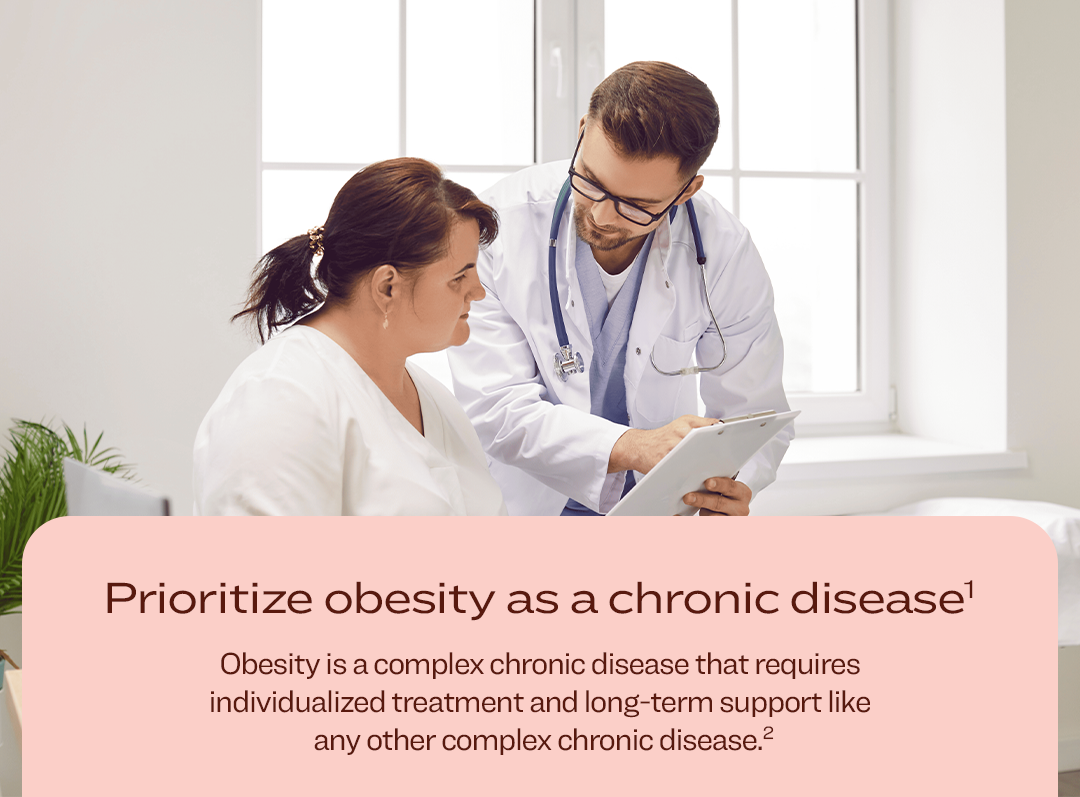
Obesity is a complex chronic disease that requires individualized treatment and long-term support like any other complex chronic disease2

A multifactorial disease needs a multidisciplinary approach3

Providing comprehensive and compassionate care to people living with obesity can lead to positive changes in obesity-related complications and improved quality of life.4


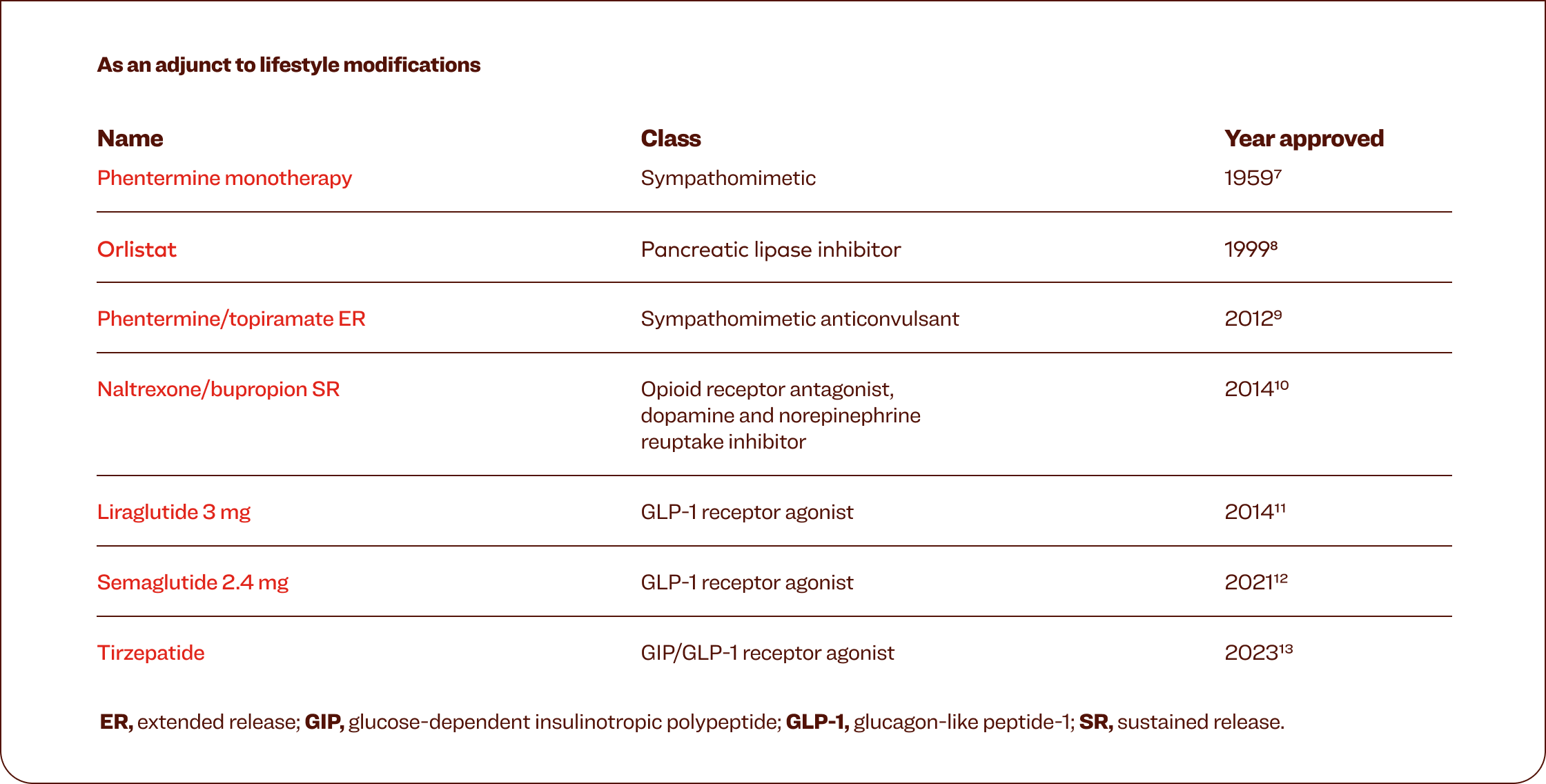
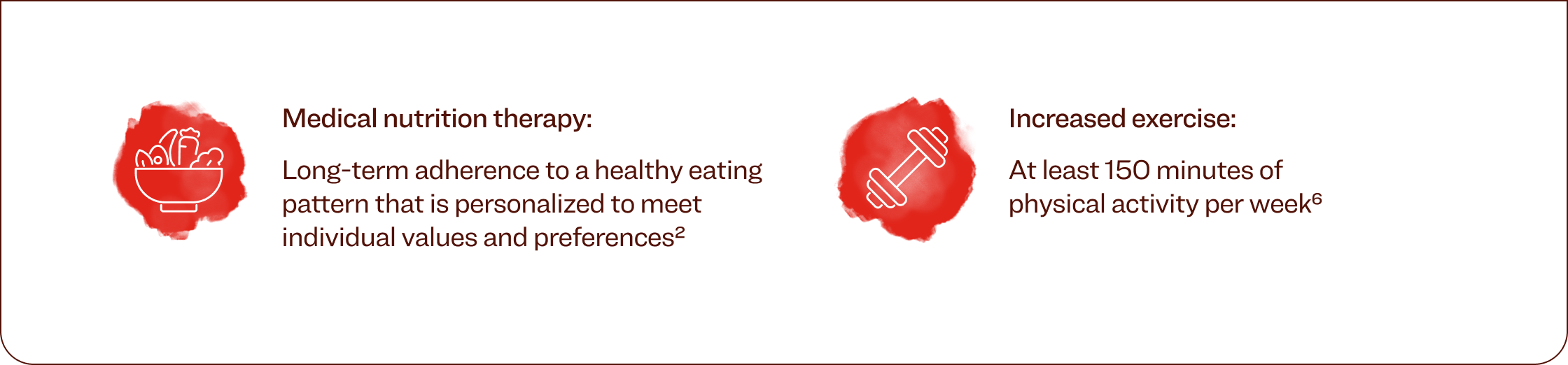
Lifestyle interventions alone are often ineffective in sustaining weight loss.5,6 Treatment modalities for obesity include lifestyle changes, psychological interventions, pharmacological management, and bariatric surgery.2

A multifactorial disease 
needs a multidisciplinary 
approach3
Lifestyle Modifications
Pharmacotherapy

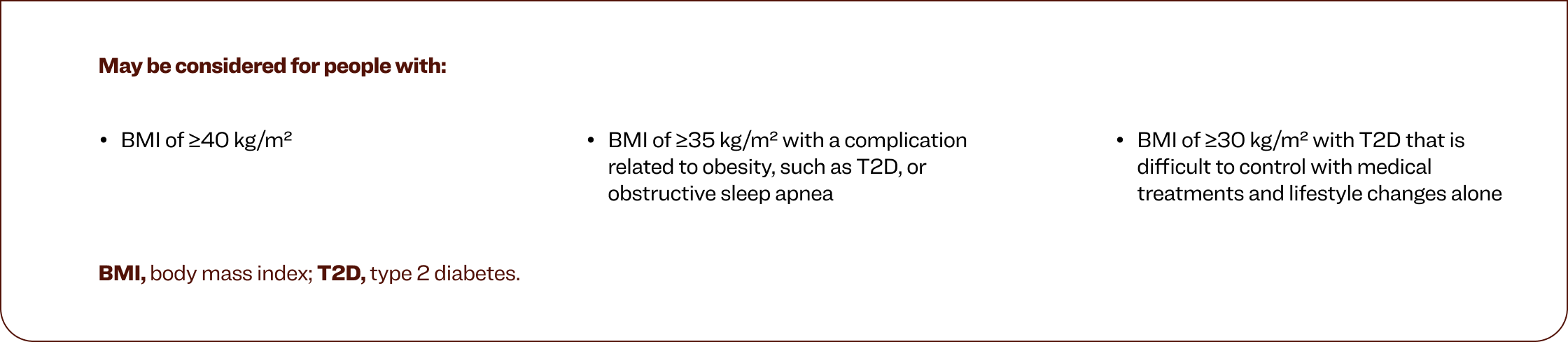
May be considered for people with:

  • BMI of ≥40 kg/m2
  • BMI of ≥35 kg/m2 with a complication related to obesity, such as T2D, or obstructive sleep apnea
  • BMI of ≥30 kg/m2 with T2D that is difficult to control with medical treatments and lifestyle changes alone

BMI, body mass index; T2D, type 2 diabetes.
Bariatric Surgery

Effective partnership is essential for long-term success2

The “5 As” model can help you discuss weight management with patients14

Ask

Ask permission to discuss weight; be nonjudgmental and explore the patient’s readiness for change.

Assess

Assess body mass index, waist circumference, and obesity stage; explore drivers and complications of excess weight.

Advise

Advise the patient about the health risks of obesity, the benefits of modest weight loss, the need for long term strategy, and treatment options.

Agree

Agree on realistic weight loss expectations, targets, behavioral changes, and specific details of the treatment plan.

Assist

Assist in identifying and addressing barriers; provide resources, assist in finding and consulting with appropriate providers, and arrange regular follow ups.

FPO
Check Icon

Treatment options beyond lifestyle
interventions remain underutilized

for obesity, despite it being recognized by the World Obesity Federation and the
American Medical Association as a serious, chronic, relapsing disease15

References

  1. Fitch AK, Bays HE. Obes Pillars. 2022;1:100004.
  2. Wharton S, et al. CMAJ. 2020;192(31):E875-E91.
  3. Guerra JVS, et al. Nutrients. 2021;13(8):2830.
  4. Ryan DH, et al. Cardiovasc Endocrinol Metab. 2023;12(1):e0279.
  5. Bays HE, et al. Obes Pillars. 2022;3:100034.
  6. Garvey WT, et al. Endocr Pract. 2016;22(Suppl 3):1-203.
  7. FDA. Full prescribing information for Adipex-p (phentermine hydrochloride) CIV for oral use. 2012.
  8. FDA. Full prescribing information for Xenical (orlistat) capsules for oral use. 2012.
  9. FDA. Full prescribing information for Contrave (naltrexone HCl and bupropion HCl) extended release tablets. 2014.
  10. Caffrey M. Am J Manag Care. 2015;21(Special Issue 2):SP45.
  11. FDA. [Press release]. 2021 [cited 17 May 2024].
  12. FDA. [Press release]. 2023 [cited 17 May 2024].
  13. Vallis M, et al. Can Fam Physician. 2013;59(1):27-31.
  14. Horn DB, et al. Postgrad Med. 2022;134(4):359-75.